- When
- From the Second War to the eve of Midnight
- Where
- Quel’Thalas, the Nether, Stormwind
- Beside him
- Alleria Windrunner, Arator, Vereesa
- Chapter
- 9 of 10
The private war
Alleria, Arator, the house of Windrunner
Alleria Windrunner is his lover and the mother of his son. She is not, in the public record, his wife. They have lived as a pair across a thousand years of war, a separation, an imprisonment, a reunion, and at least one wedding that was set and then did not finish. She calls him her love in scenes after the worst of those years. The accurate sentence is the longer one. A short sentence that says “his wife” is the one this chronicle will not use.
Arator was born before the expedition to Draenor and left with Vereesa. After the fall of Quel’Thalas he was raised among the blood elves as well, with Lor’themar and Liadrin in that account, and trained with the Farstriders before the Light took more of his education. He became a paladin, Arator the Redeemer, and he grew up famous for parents who were missing. When they returned he was already a man with his own oaths. The scene on Argus, where Turalyon cannot find the speech he practiced for a thousand years, is the family’s whole problem in one room.
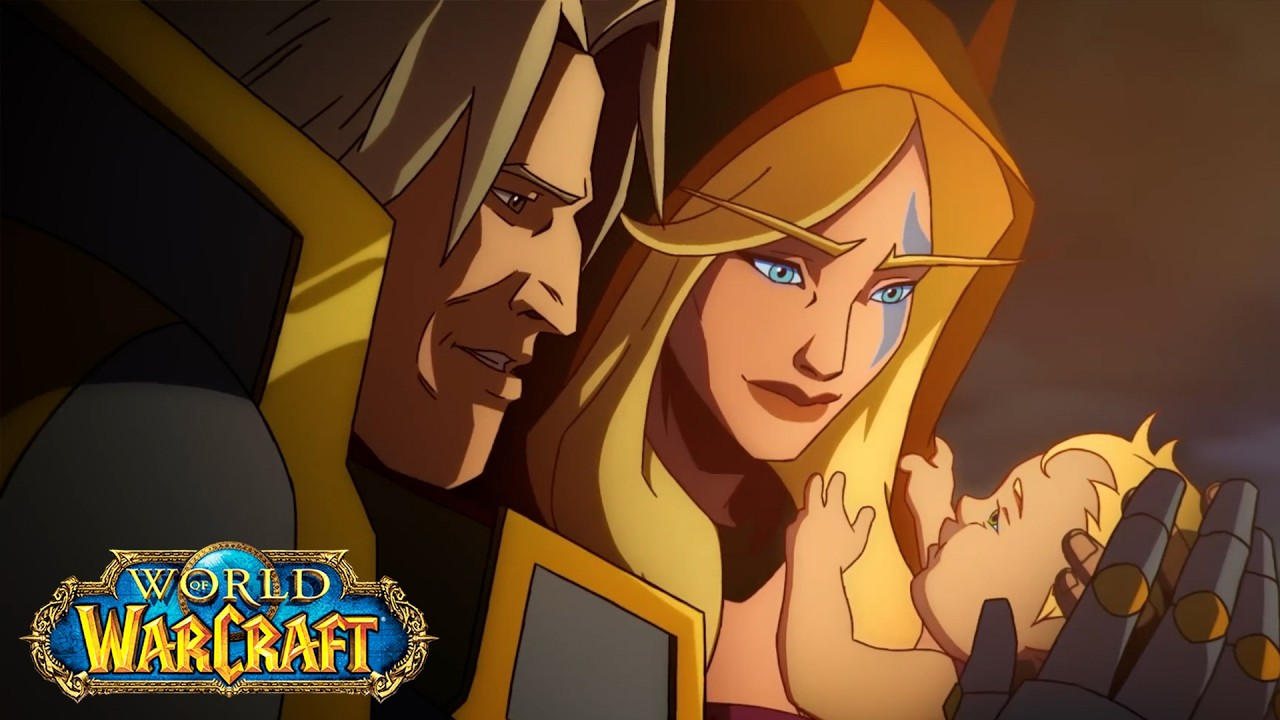
The Void is the other problem, and it is not a metaphor. Alleria’s power harms what the Light in him is. Xe’ra treated that as a crime and jailed her. Turalyon stayed the Army’s champion and still wanted Alleria free. Years later they can share a camp and a cause and still sleep, in at least one telling of the Fourth War’s aftermath, in separate tents. The affection is not the rumor. The fracture is not the rumor either. Both are in the scenes Blizzard has actually released.
Around them stand the other Windrunners. Vereesa kept their child and later fought her own wars. Sylvanas is Alleria’s sister and, for a long stretch of his Alliance command, the person he was ordered to bring to justice. A family tree is a poor diagram for this. The useful picture is a man whose private life and public office keep electing opposite sides of the same sisters. He does not resolve it. Midnight makes it worse, in front of their son.

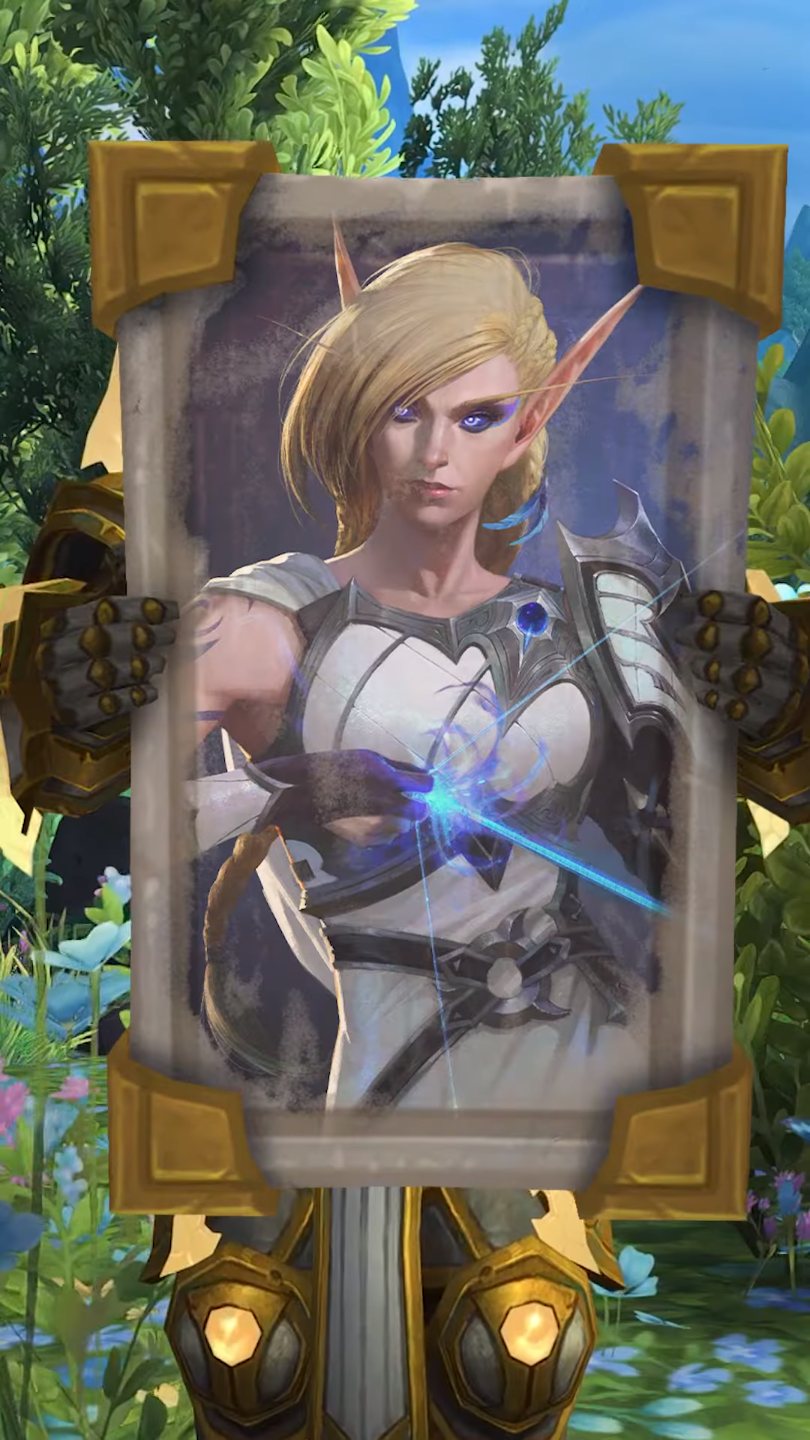
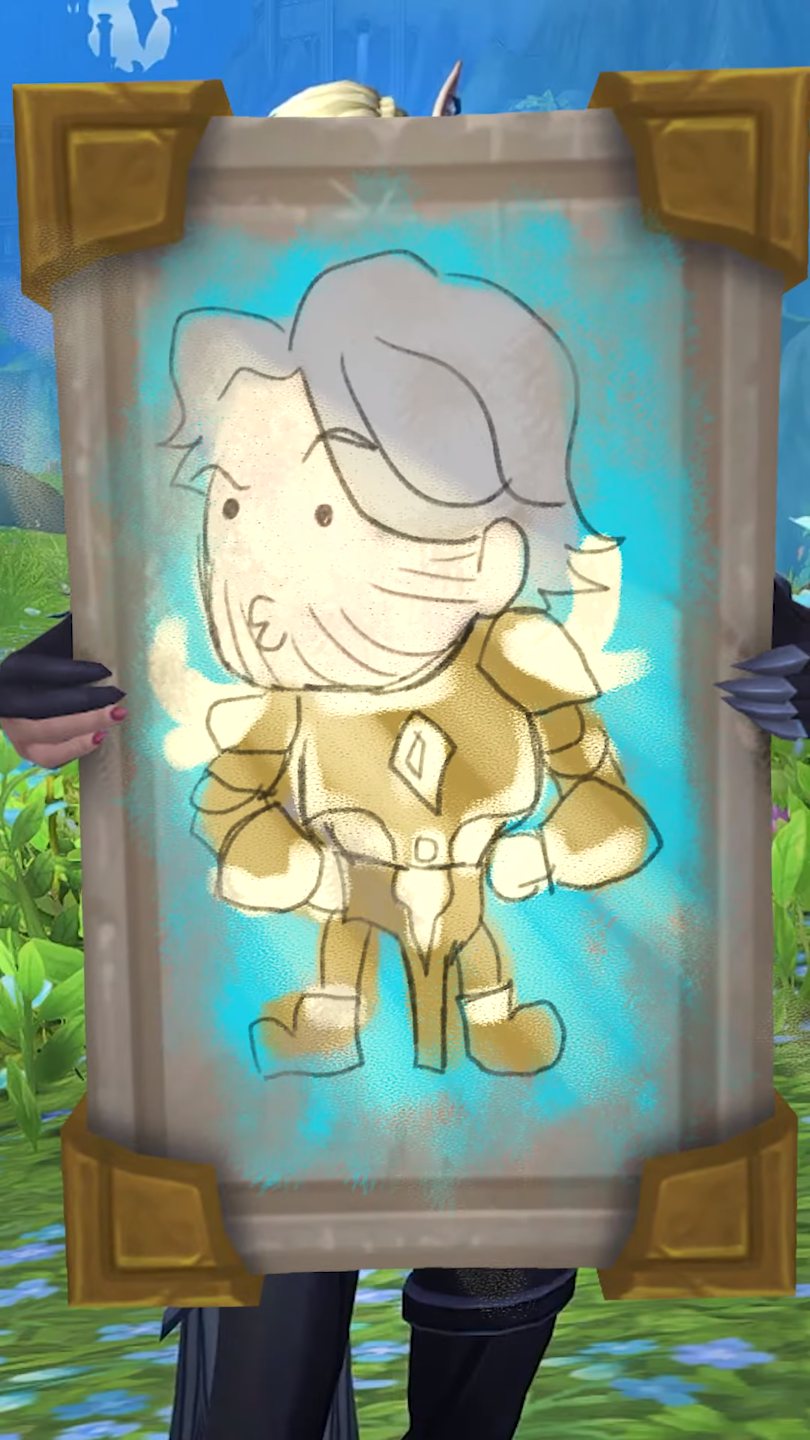
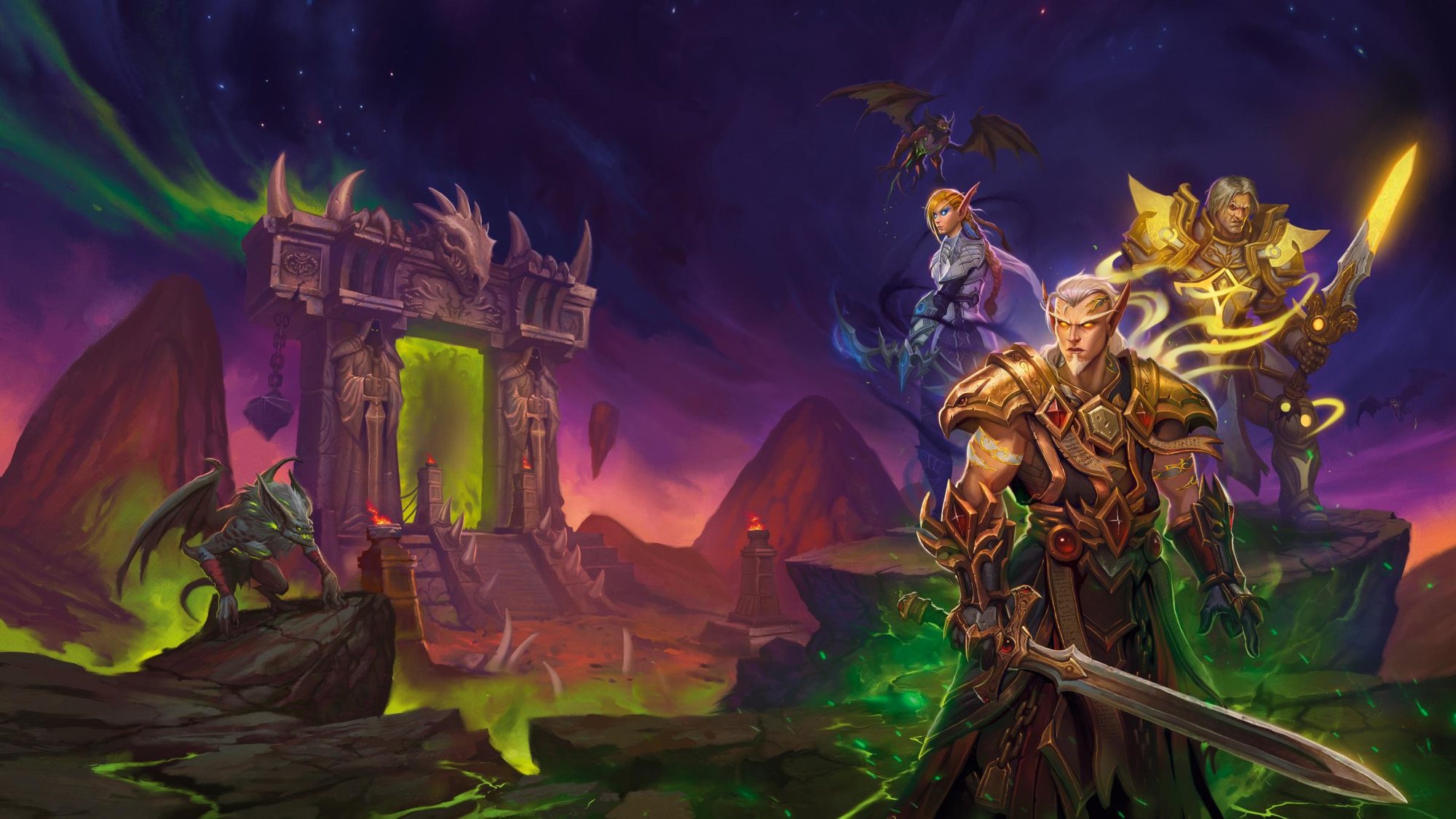
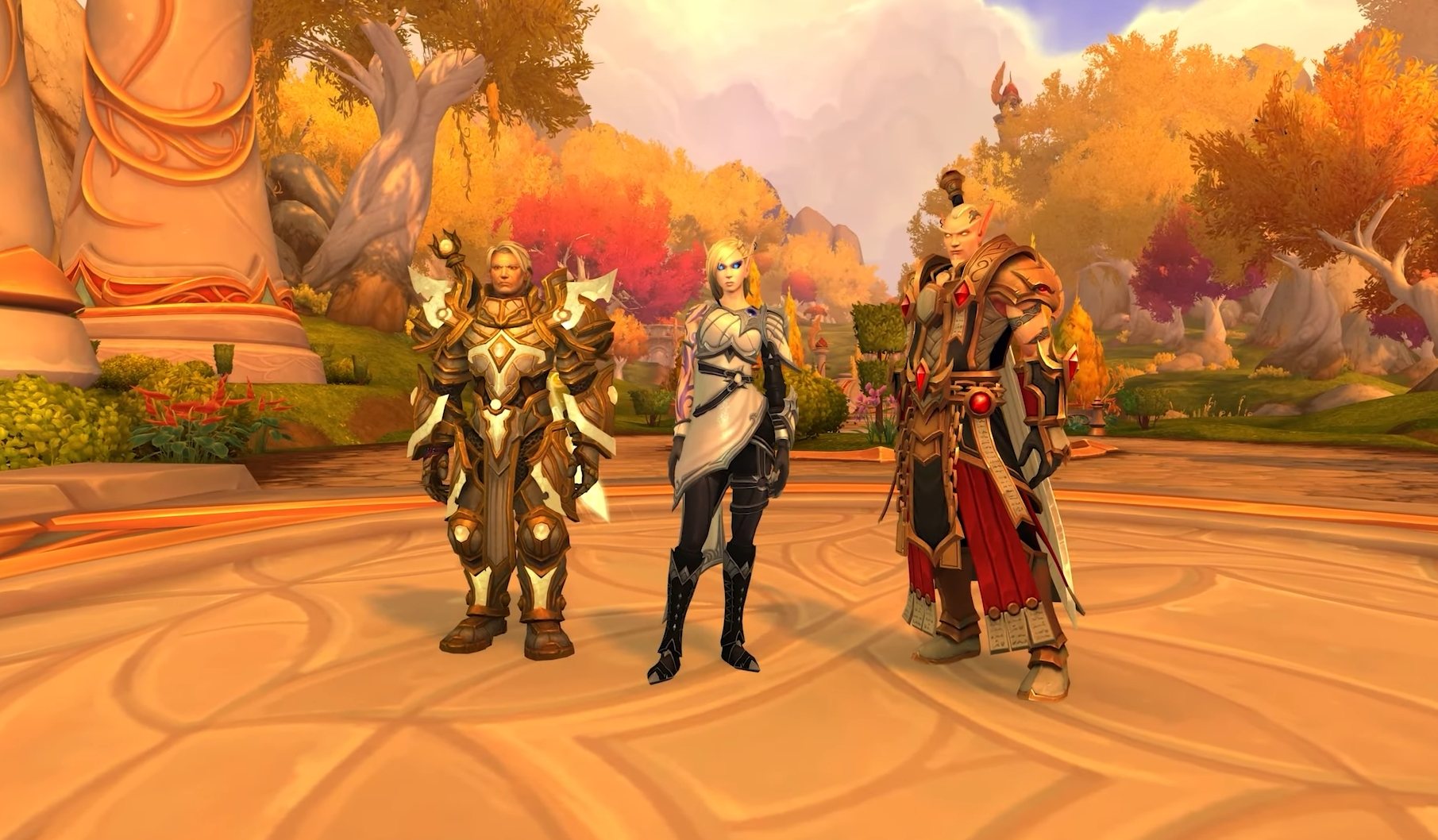
The pictures are the private record the war keeps interrupting: a portrait he made of her, a portrait she made of him, an infant in the months before the portal, the cover of a novel in which a wedding is set and does not happen. Two people, a child elsewhere, a plan the next emergency eats. The emergency is never a surprise. It is the medium they understand better than a room.
Previous: Commander, then regent · Next: The last public chapter