- When
- The founding of the order
- Where
- Lordaeron
- Beside him
- Uther, Tirion, Saidan, Gavinrad
- Chapter
- 2 of 10
The Silver Hand
The first five
Archbishop Faol did not found the Knights of the Silver Hand out of a love of pageantry. The Horde had already taken Stormwind. Lordaeron needed champions who could fight with steel and with the Light, and Faol picked the first of them himself. Turalyon was one of five. The other names are the ones the statues remember more easily: Uther the Lightbringer, Saidan Dathrohan, Tirion Fordring, and Gavinrad the Dire.
He was the odd one. The others came to the order with a warrior’s life already behind them and met the Light on the way. Turalyon came the other direction. He was a priest Faol trusted enough to arm. Later accounts have Faol say as much: he had seen something in the young man that a fine priest’s record did not cover, and the Light wanted a champion who already knew its teaching before he learned its war. Turalyon, for a long time, did not know why he had been chosen.
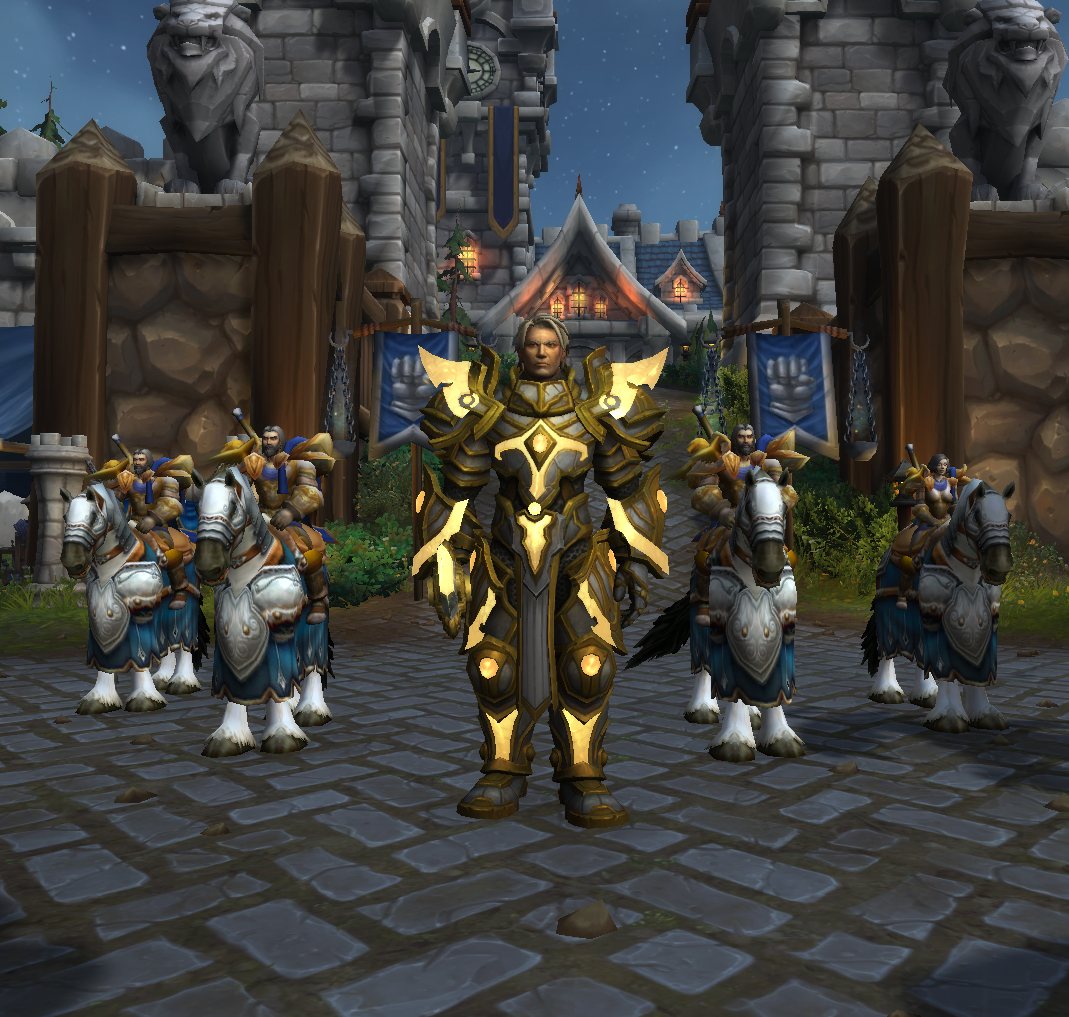
The order’s beginning matters because it fixes his temperament. He is not the Silver Hand’s most famous knight. Uther is. Tirion’s later defiance is a story of its own. Turalyon’s distinction inside that first circle is that command kept finding him anyway. Anduin Lothar, who could have taken a louder paladin as his second, took this one. The archbishop’s bet and the lion’s bet were the same bet: that a man unsure of his own glory would be usable in a war that ate glorious men.
The names to remember are the five. The argument of the chapter is why one of them was not like the rest. The pictures that follow him are mostly the general. The priest Faol armed is the harder face to keep in view.
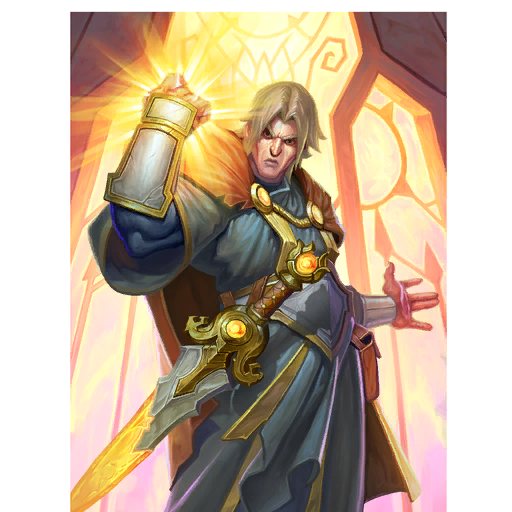
The order will fracture in later generations, under Arthas and after him, into arguments about what a paladin is allowed to refuse. Turalyon is not in those rooms. He is already gone, a name on a memorial, while Uther dies and Tirion argues with the Light’s institutions. That absence is easy to skip and should not be. The Silver Hand he belongs to is the first one, the wartime one, before it became a church with schisms. His loyalty is to that founding oath, which is also why he can come home a thousand years later and still answer to the same knighthood without having lived through the scandals that remade it.
Previous: A priest who had not yet felt it · Next: The lion’s second